Show Statement
Inter–Connection explores the ever-swinging pendulum between connection and disconnection from ourselves and one another, questioning whether there is an imbalance between the two, and reflecting on the importance of community.
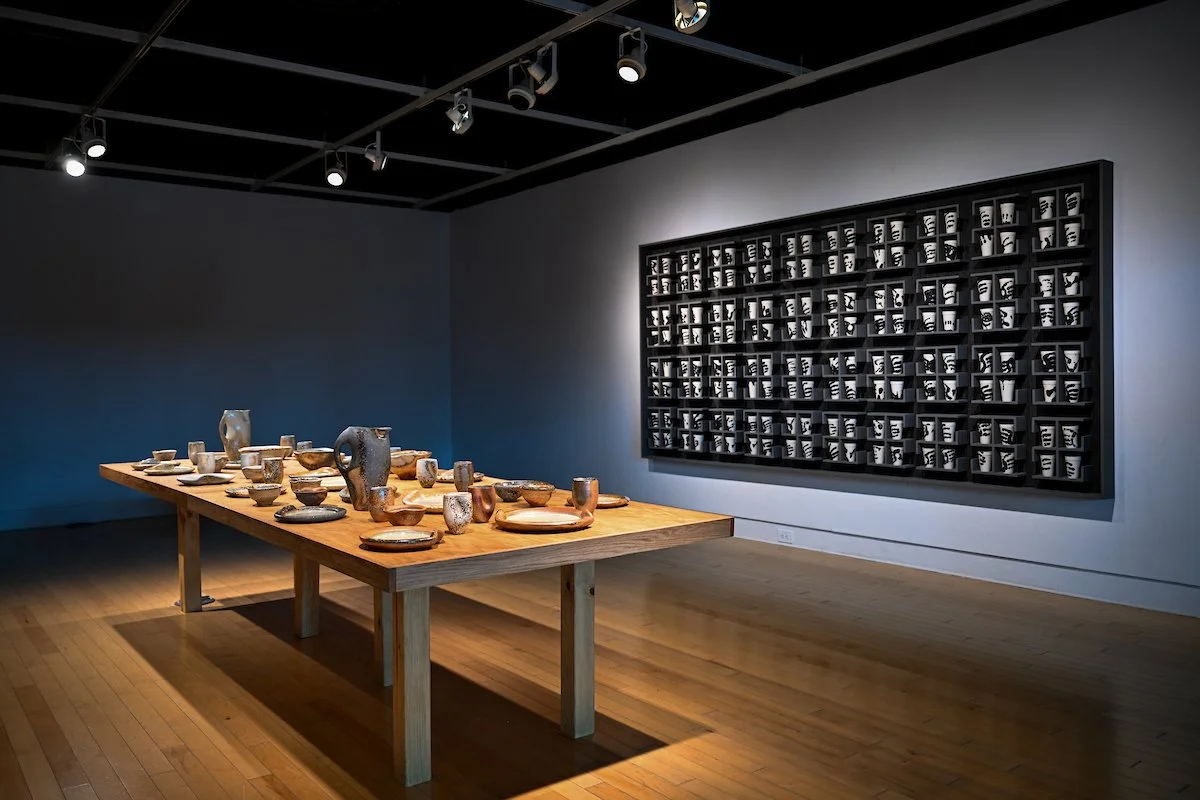
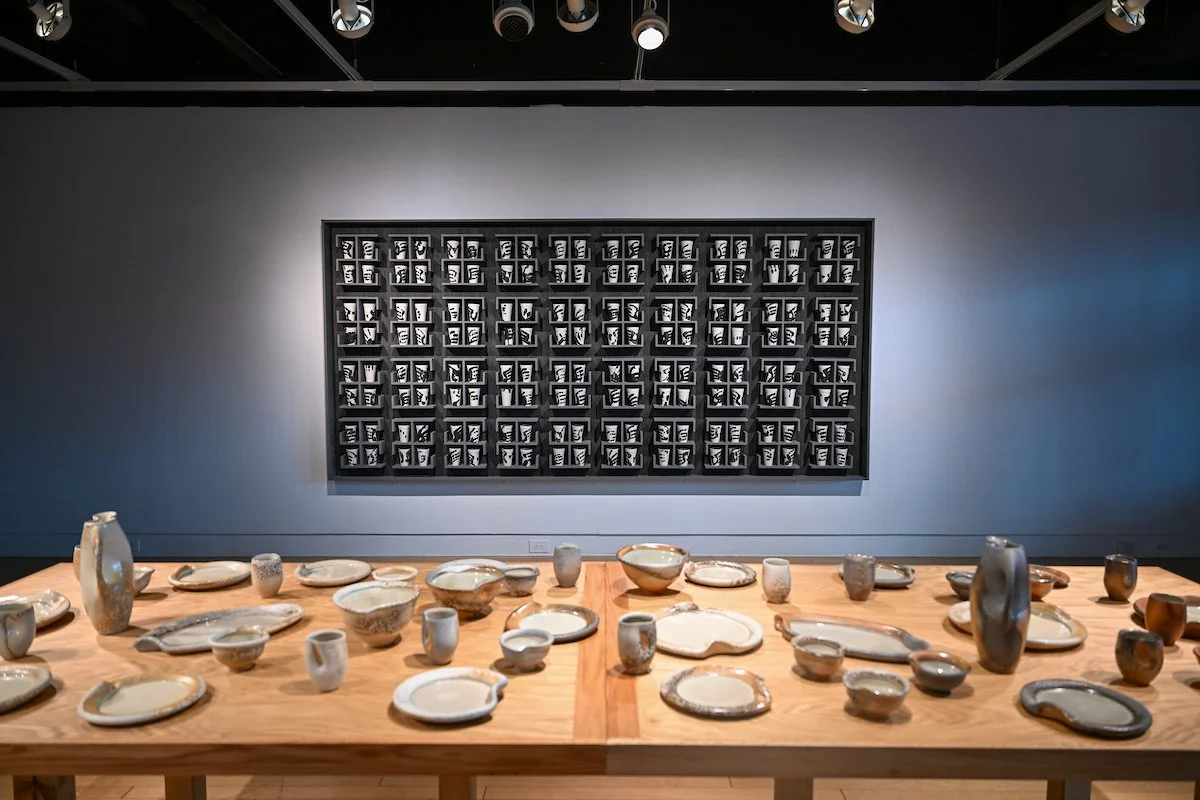
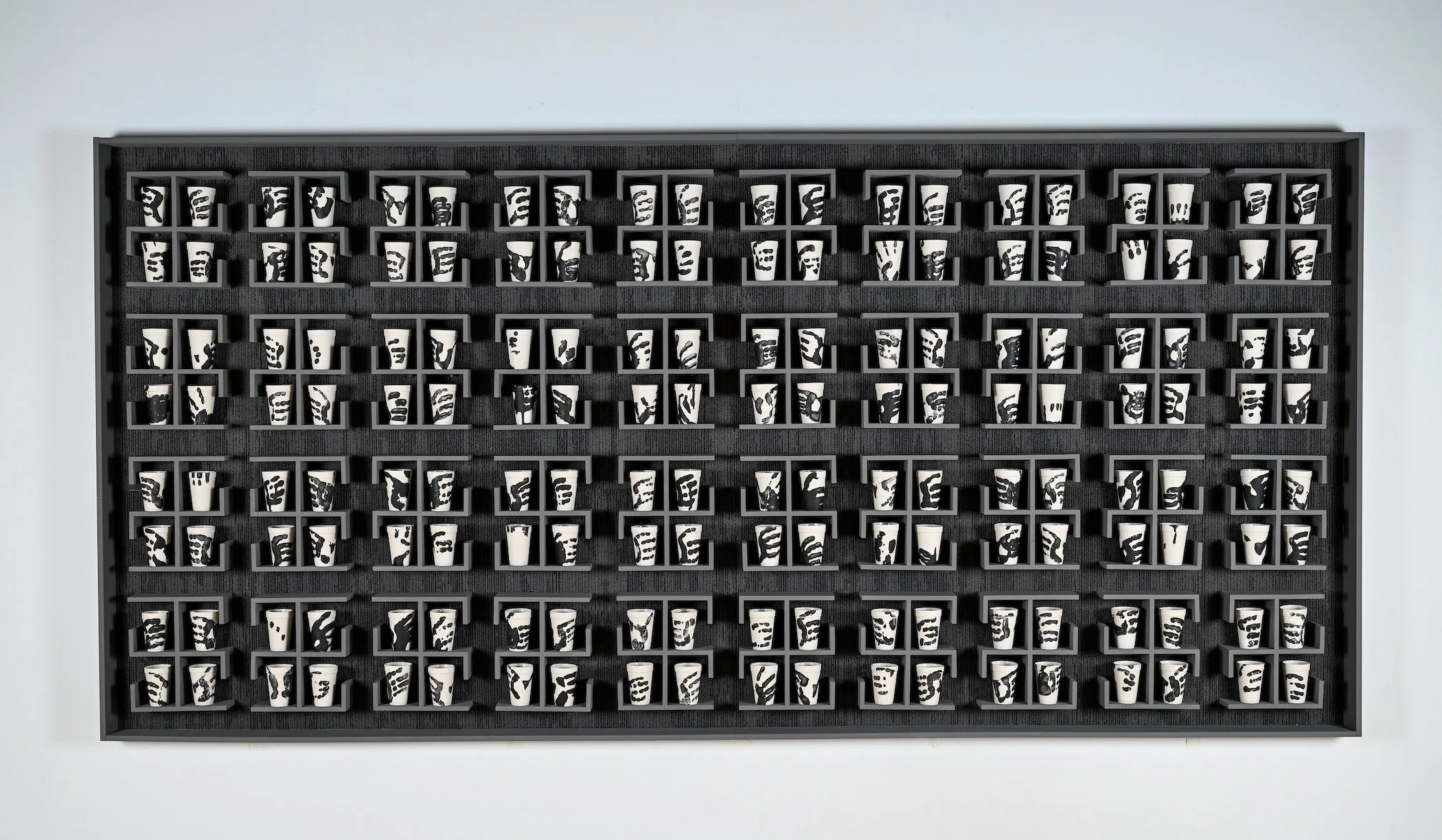
Dunbar’s Number, an evolutionary theory named after British anthropologist Robin Dunbar, suggests that humans are meant to live in societies of 100-150 people. When populations exceed this range, abstraction begins—individuals become statistics rather than people. We see this abstraction on a societal level as people are compartmentalized into cubicle boxes, reduced to disposable resources, and discarded like styrofoam cups. However, each person is inherently unique—just as distinct as their own handprint.
This culture of standardization can cause people to disconnect from their own authentic needs and each other. Ultimately, causing regrets that people carry with them to their deathbeds: I wish I had spent more time with the people I care about. I wish I hadn’t worked so hard. I wish I had expressed my emotions more. These reflections offer perspective on what truly matters and reinforce the significance of authenticity and human connection.
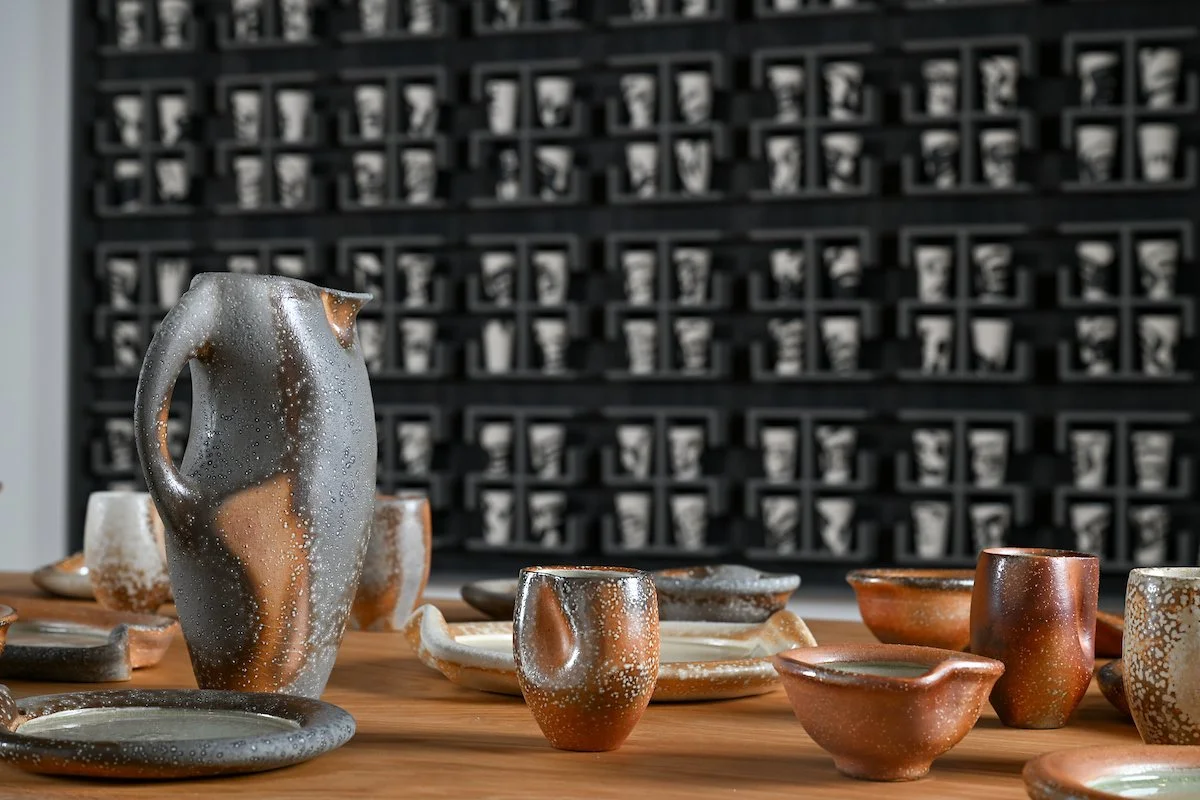
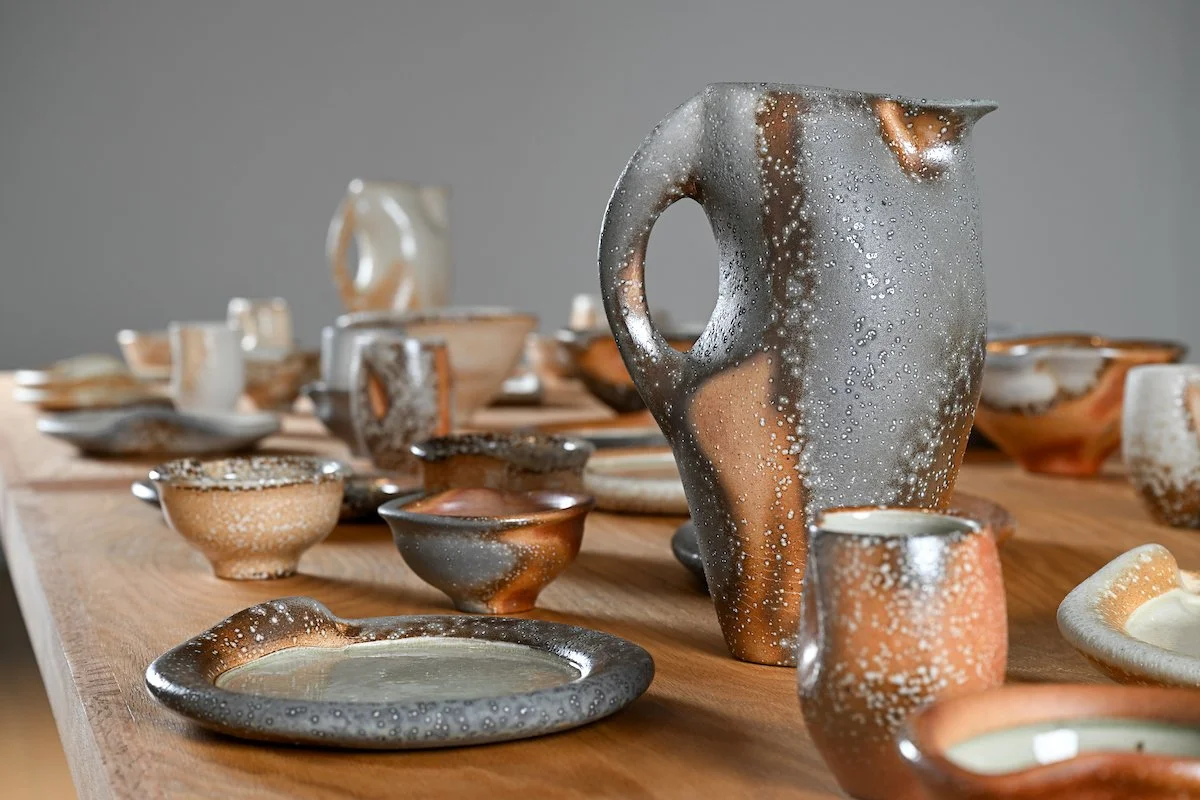
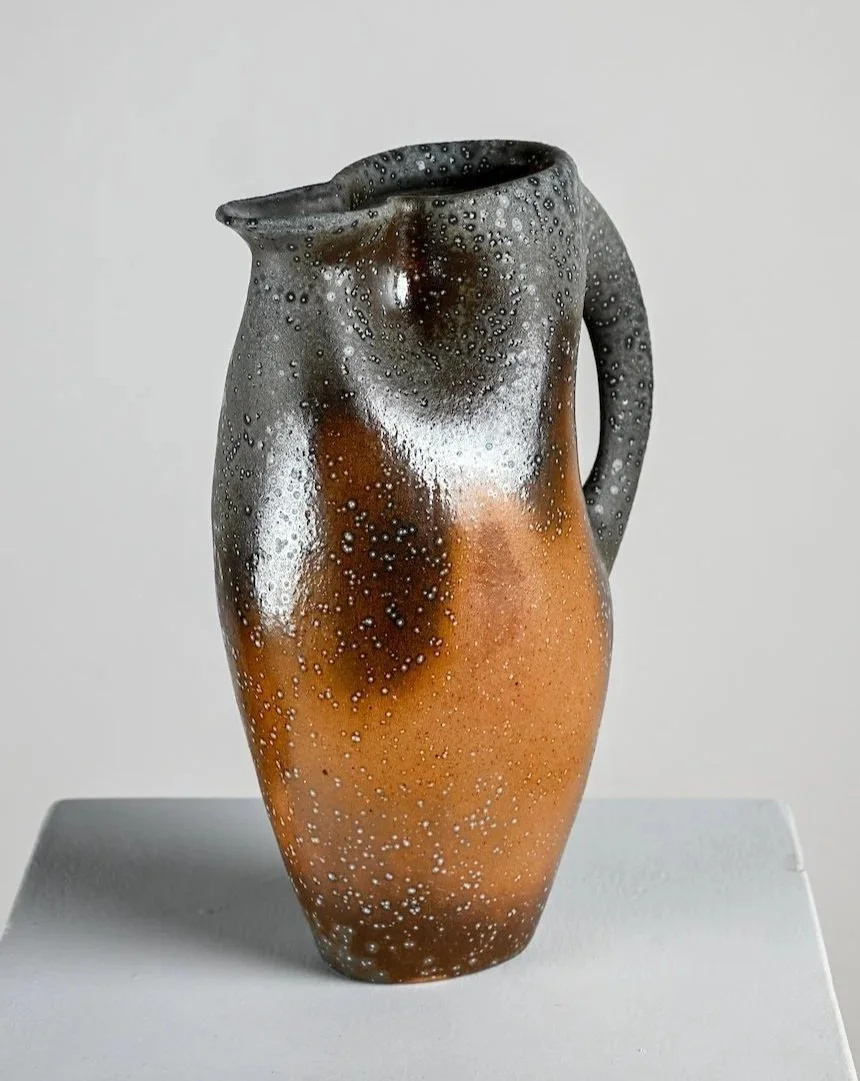
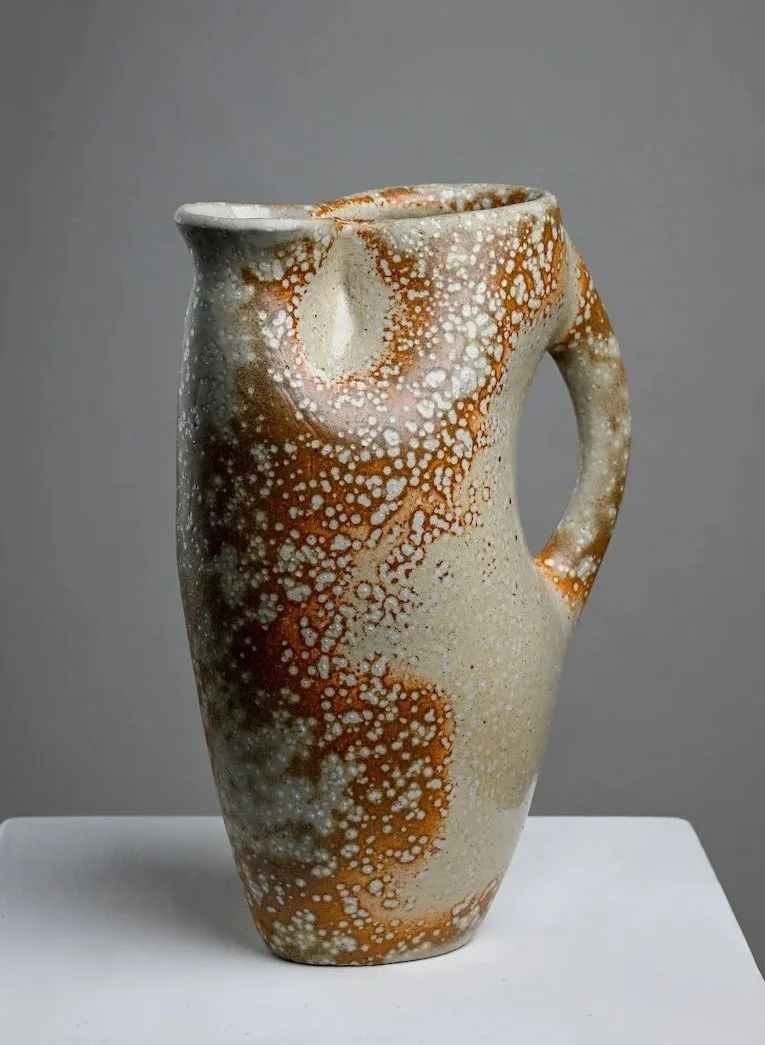
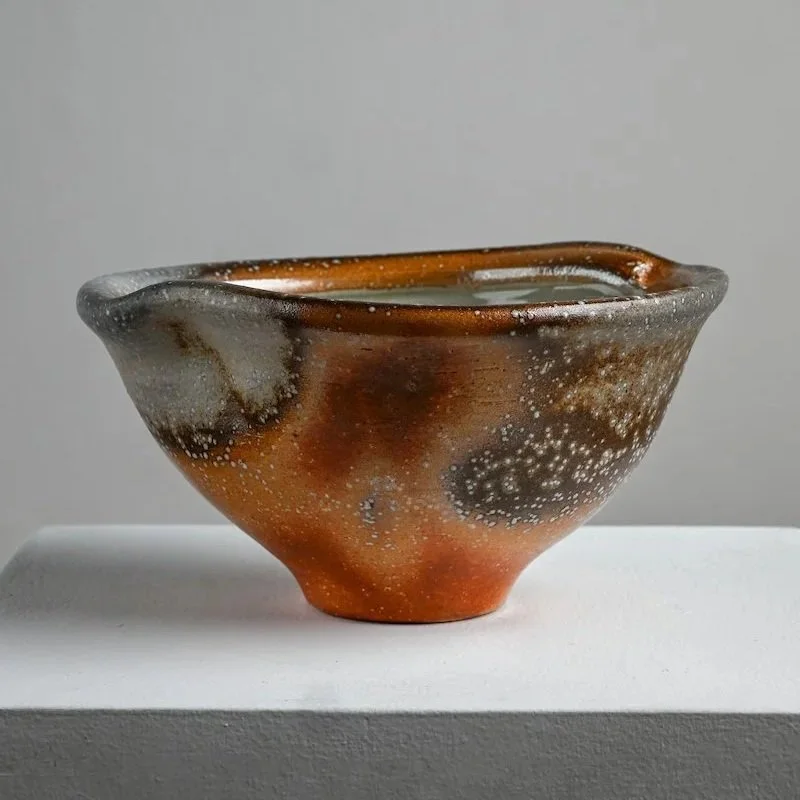
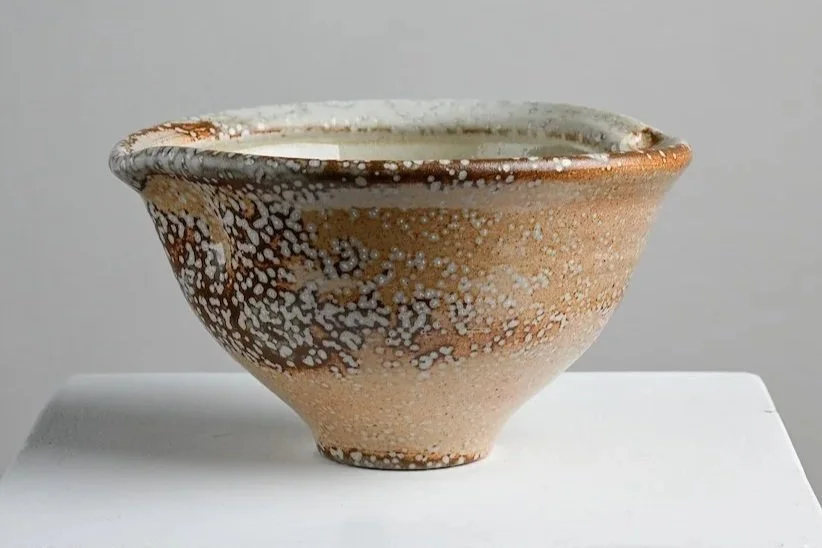
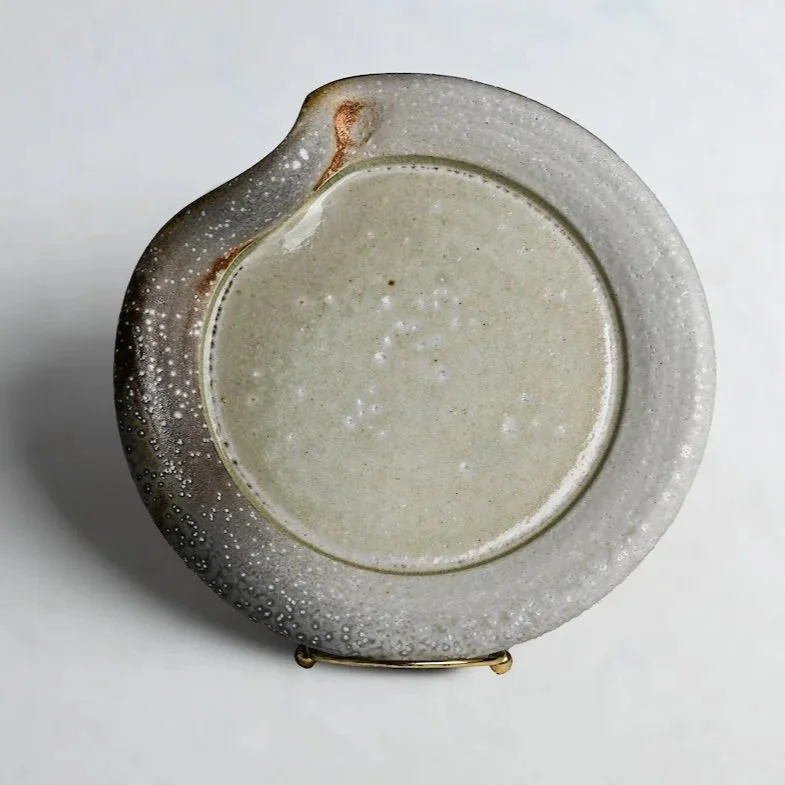
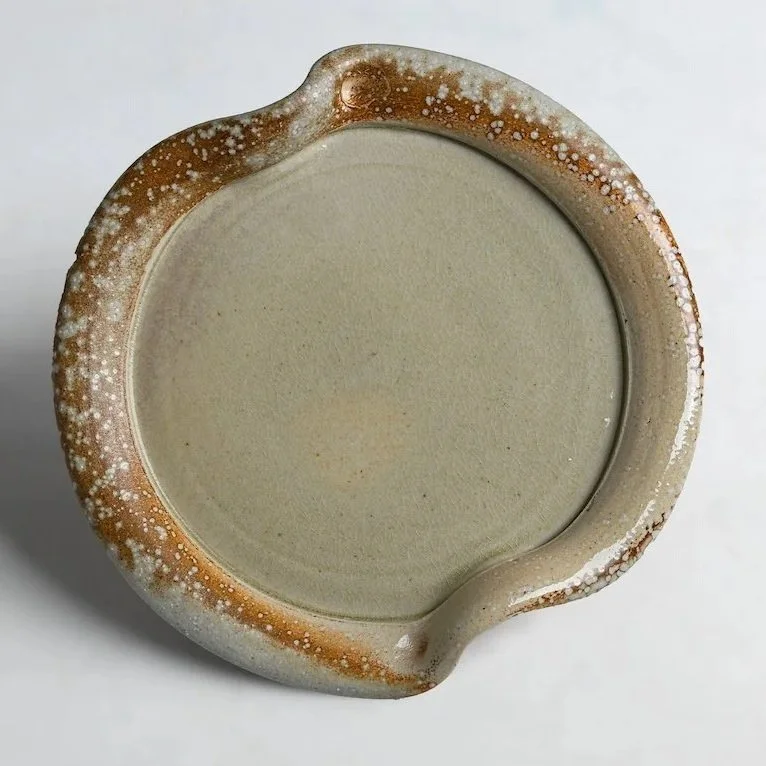
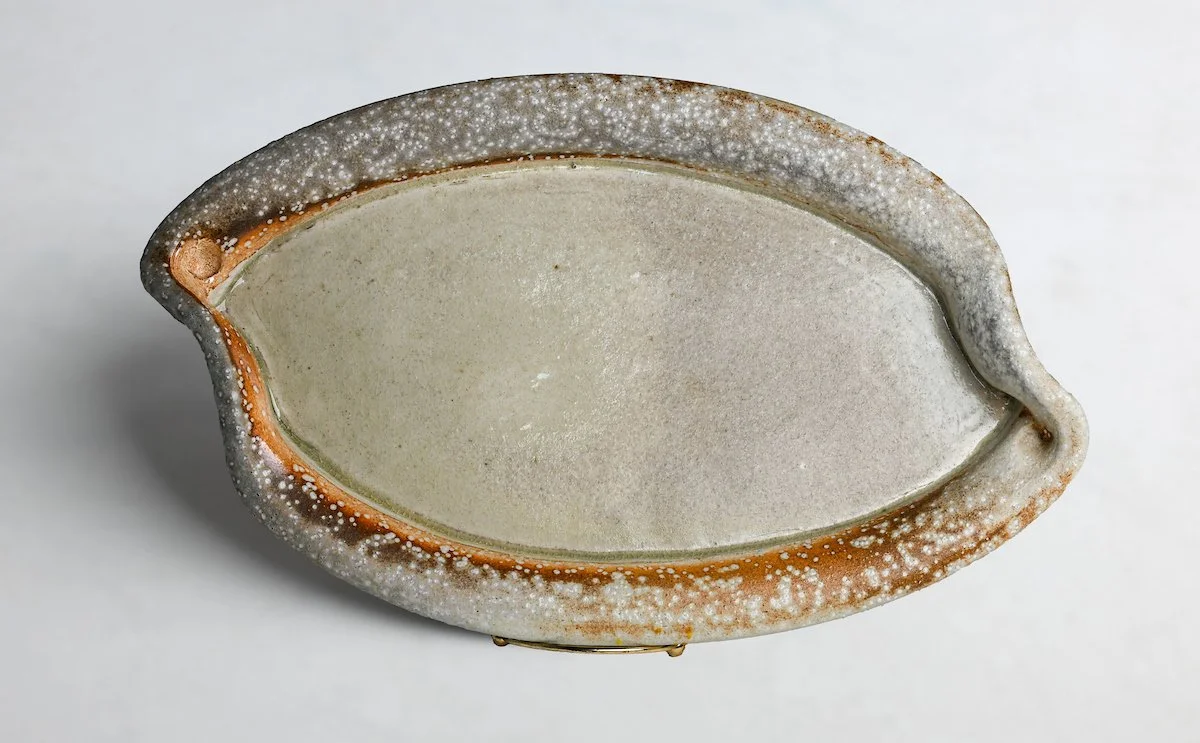
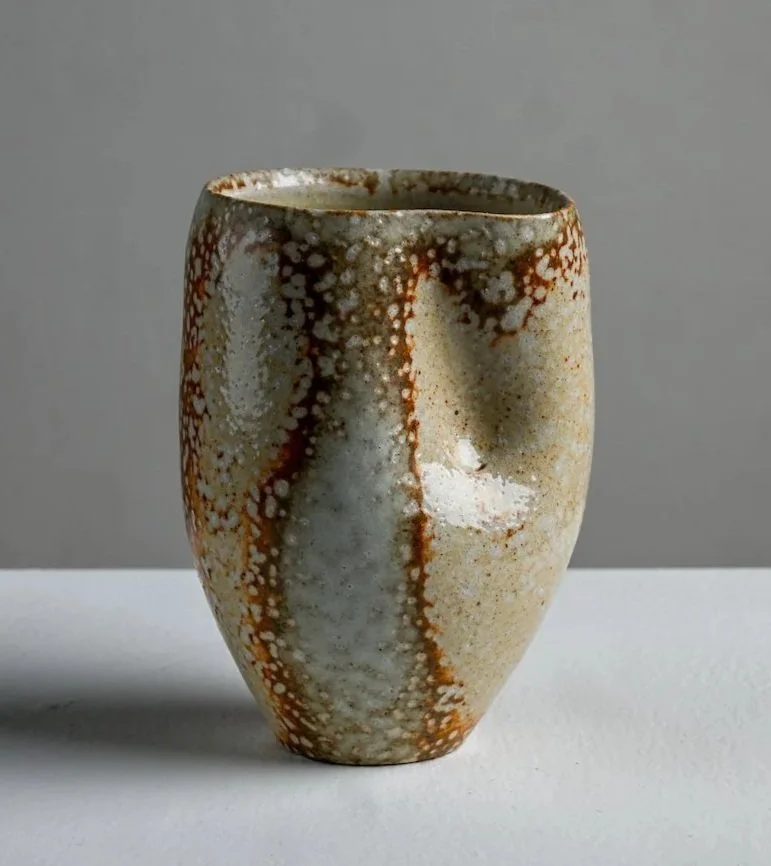
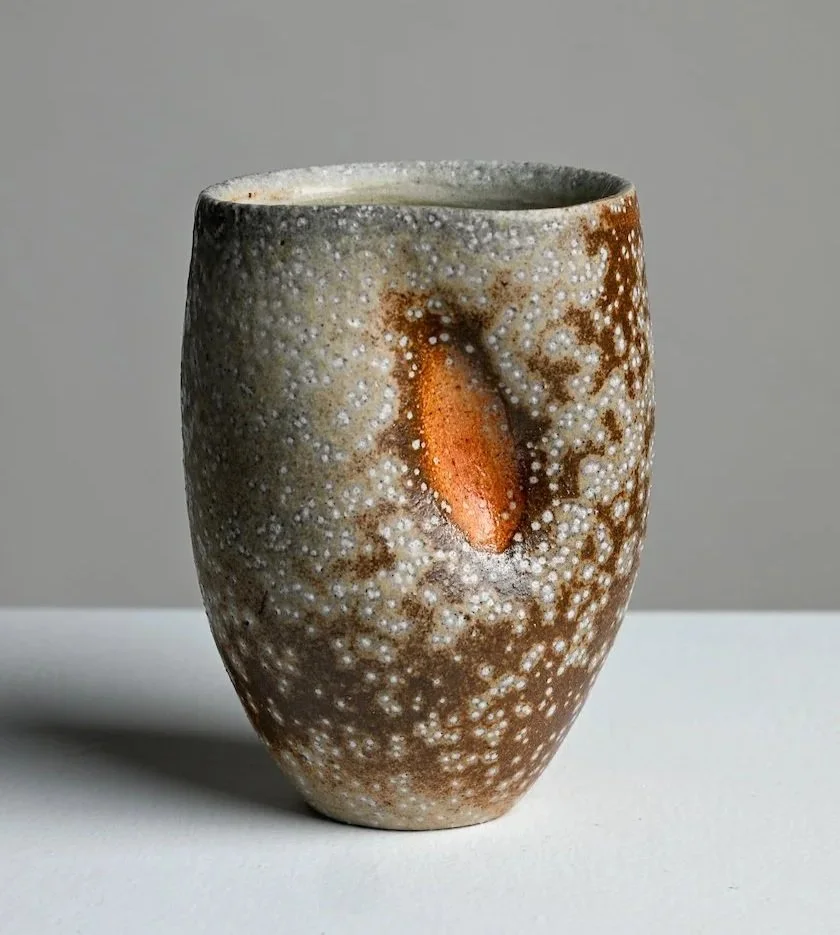
Like a handmade dining set, each piece shares similarities yet remains distinct—just as people do—with their own idiosyncrasies. Through this work, I invite viewers to consider the value of community, the necessity of connection, and the ways in which we can resist the abstraction of the human spirit.
My Own Experience with Abstraction
Before graduate school, I’d only encountered the concept of human abstraction and its consequences through the works of Simon Sinek and Dr. Gabor Maté—I’d never truly felt like just a number until I arrived. I was unaware of the budget and faculty cuts affecting Ohio University and universities nationwide. I expected graduate school to be challenging, but at times, it felt difficult for the wrong reasons.
During my first year, it felt like students and faculty were just trying to make it through the day. I questioned how creative learning can be fostered when everyone is trying to just keep their heads above water. Talking to my fellow grads, morale was low. Several of them felt they were not supported, and that we were just cheap labor. A common statement was “I just want my degree and to get out of here”—a mindset I fell into. Graduate school should be about the journey, yet so many of us were thinking of the destination.
Although things have improved since my first year, many of these feelings still linger. However, what made grad school worth staying for was my cohort, whom I now consider family, because no one else can truly understand our experience. We leaned on one another for support, encouraging each other to push through.
Additionally, I had the privilege of working with an amazing group of undergraduates who were excited about ceramics. Though I’d never been in a mentorship role before, it gave me a sense of purpose I’d been missing. Being part of their journeys reignited my passion for my own work.
Lastly, I am deeply grateful to the Ohio University faculty who have supported me—especially Stuart Gair, who believed in me even when I struggled to believe in myself.
Center of the Room
Title: Family
Dinning Set: Porcelaneous Stoneware, Glaze
Table: Oak
Firing Methodology: Cone 10 Soda
Right Wall
Title: >150
Cups: Porcelain, Underglaze.
Display: Mix Media
Firing Methodology: Cone 6 Oxidation
Photo Credit: Benjamin Siegel